
Crate Training Your Puppy: Creating a Safe and Happy Space
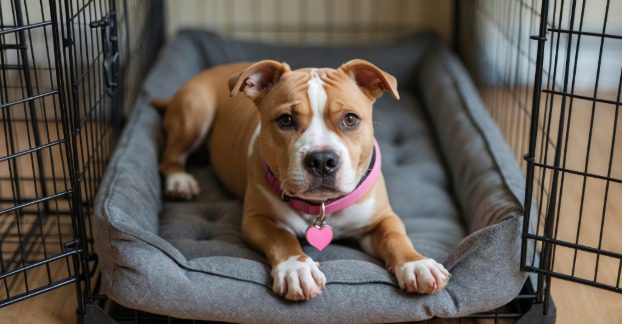
Crate training can be a wonderful tool for helping your puppy feel safe, comfortable, and secure in their new home. When introduced properly, a crate can become a place where your puppy feels relaxed and has a quiet space of their own.
One of the biggest mistakes pet parents make is trying to rush the crate-training process. Every puppy learns at their own pace, and patience is key! The goal is to help your puppy view their crate as a positive place, never somewhere they are being sent as punishment.
Here are some helpful steps to get started with puppy crate training.
Step 1: Let Your Puppy Get Comfortable
Start by placing the crate in an area where your family spends a lot of time, such as the living room or bedroom.
- Keep the crate door open or remove it temporarily so your puppy can explore freely.
- Toss a few tasty treats near the entrance, then gradually place them farther inside.
- Allow your puppy to go in and out on their own. Never push or force them into the crate.
- Feed your puppy their meals inside the crate with the door open.
The idea is to help your puppy understand that good things happen when they enter their crate!
Step 2: Introduce Closing the Door
Once your puppy is comfortable going into the crate, you can begin introducing the door.
- Gently close the door for about 30 seconds to one minute while your puppy enjoys a meal.
- Open the door before your puppy becomes uncomfortable.
- Slowly increase the amount of time the door stays closed.
- Keep your voice calm and encouraging.
Watch your puppy’s body language. If they seem worried or uncomfortable, slow down and give them more time to adjust.
Step 3: Slowly Increase Crate Time
Now that your puppy is getting used to the door being closed, you can begin practicing short crate sessions outside of mealtimes.
- Encourage your puppy to enter the crate using treats.
- Start with just a few minutes at a time.
- Stay in the same room so your puppy knows you are nearby.
- Gradually work toward longer periods, as long as your puppy remains comfortable.
You can also use a food-stuffed enrichment toy during supervised crate-training sessions, provided it is appropriately sized and safe for your puppy.
Remember, every puppy is different. Don’t feel like you have to follow a strict timeline. Some puppies need more time, and that’s perfectly okay!
Step 4: Practice Being Alone
Once your puppy is comfortable spending time in their crate while you are nearby, begin practicing leaving the room for short periods.
Start with a few minutes and slowly increase the time your puppy spends alone.
For nighttime crate training, placing the crate near your bed can help your puppy feel more secure. Being able to hear and smell you nearby may make the transition easier.
As your puppy becomes more confident, you can gradually move the crate to your preferred location.
Keep in mind that puppies have small bladders and may still need nighttime potty breaks. Their ability to sleep through the night will depend on their age and individual development.
What Should You Do If Your Puppy Cries in the Crate?
It’s not unusual for puppies to whine or fuss when they are first learning to use a crate. They are adjusting to a new routine and learning that being separated from their family is okay.
However, it’s important to understand the difference between mild protest and genuine distress.
Here are a few things to remember:
- First, make sure your puppy doesn’t need to go outside for a potty break.
- If your puppy is simply fussing, give them a moment to settle and reward calm behavior.
- Try to avoid immediately opening the door every time your puppy makes a little noise, as this can create a pattern of whining to get released.
- If your puppy is becoming increasingly upset, don’t ignore it. Check on them and make sure they are comfortable and safe.
Never allow your puppy to cry to the point of panic, hurt themselves, or become physically ill. If this happens, take a step back and slow down the training process.
Most importantly, never use the crate as a form of punishment. Your puppy should always associate their crate with comfort, safety, and positive experiences.
Crate Safety: Keeping Your Pet Safe While You’re Away
Crates can be helpful when pet parents need to leave the house, but safety should always come first!
If your puppy or dog will be crated while you are at work, running errands, or away from home for an extended period, there are a few important precautions to take.
Always remove your pet’s collar and harness before placing them in the crate. Collars, tags, and harnesses can become caught on crate openings or other parts of the crate, creating a serious risk of choking, injury, or strangulation.
For the same reason, it’s safest to keep toys, chew items, and other loose objects out of the crate when your pet is left unattended. Even toys that seem harmless can become a choking hazard if your pet chews them apart or swallows pieces.
A few additional safety reminders:
- Make sure the crate is the correct size for your pet. They should be able to stand up, turn around, and lie down comfortably.
- Provide a comfortable resting surface that is appropriate for your individual pet and does not pose a chewing or swallowing risk..
Common Crate Training Mistakes to Avoid
Even with the best intentions, pet parents sometimes make mistakes that can make crate training more difficult.
- Choosing a crate that’s too large
A crate should give your puppy enough room to stand, turn around, and stretch out comfortably. However, if there’s too much extra space, some puppies may use one end as their bathroom. An adjustable divider can help as your puppy grows.
- Rushing the process
Every puppy learns differently. Forcing a puppy into a crate or leaving them inside for too long before they are comfortable can create fear and anxiety.
- Ignoring signs of distress
It’s important to pay attention to your puppy’s behavior. Excessive barking, drooling, panting, frantic scratching, or attempts to escape may indicate that your puppy is overwhelmed.
- Keeping your puppy crated too long
Puppies need frequent potty breaks, playtime, exercise, and interaction. Their crate time should be appropriate for their age and individual needs.
- Forgetting exercise and potty time
Before putting your puppy in their crate, give them an opportunity to go potty and enjoy some age-appropriate play or exercise. A puppy who has had a chance to burn off some energy may find it easier to settle down.
Final Thoughts: Patience Makes All the Difference!
Crate training isn’t something that happens overnight. It takes consistency, patience, and plenty of positive encouragement.
Remember that your puppy is learning something completely new. By taking things slowly, paying attention to their needs, and making the crate a positive place, you can help build a healthy relationship with their crate that lasts a lifetime.
The ultimate goal isn’t just to teach your puppy to stay in a crate. It’s to give them a safe, comfortable space where they can relax and feel at home!
A crate should always be a safe place, never a punishment. When in doubt, slow down, watch your pet’s body language, and remember that every puppy learns at their own pace.
About Us
The Healing Paws Veterinary Care promise is a thorough and kind experience. Taking the time to listen to you (and your pet) while being thorough in our examination, pain assessment and diagnostic testing means that we can find answers and solutions that keep your friend living longer and more comfortably.